Eva Frey | Online Learning for Teachers pursuing Continuing Education and Professional Development | The Connecting Link


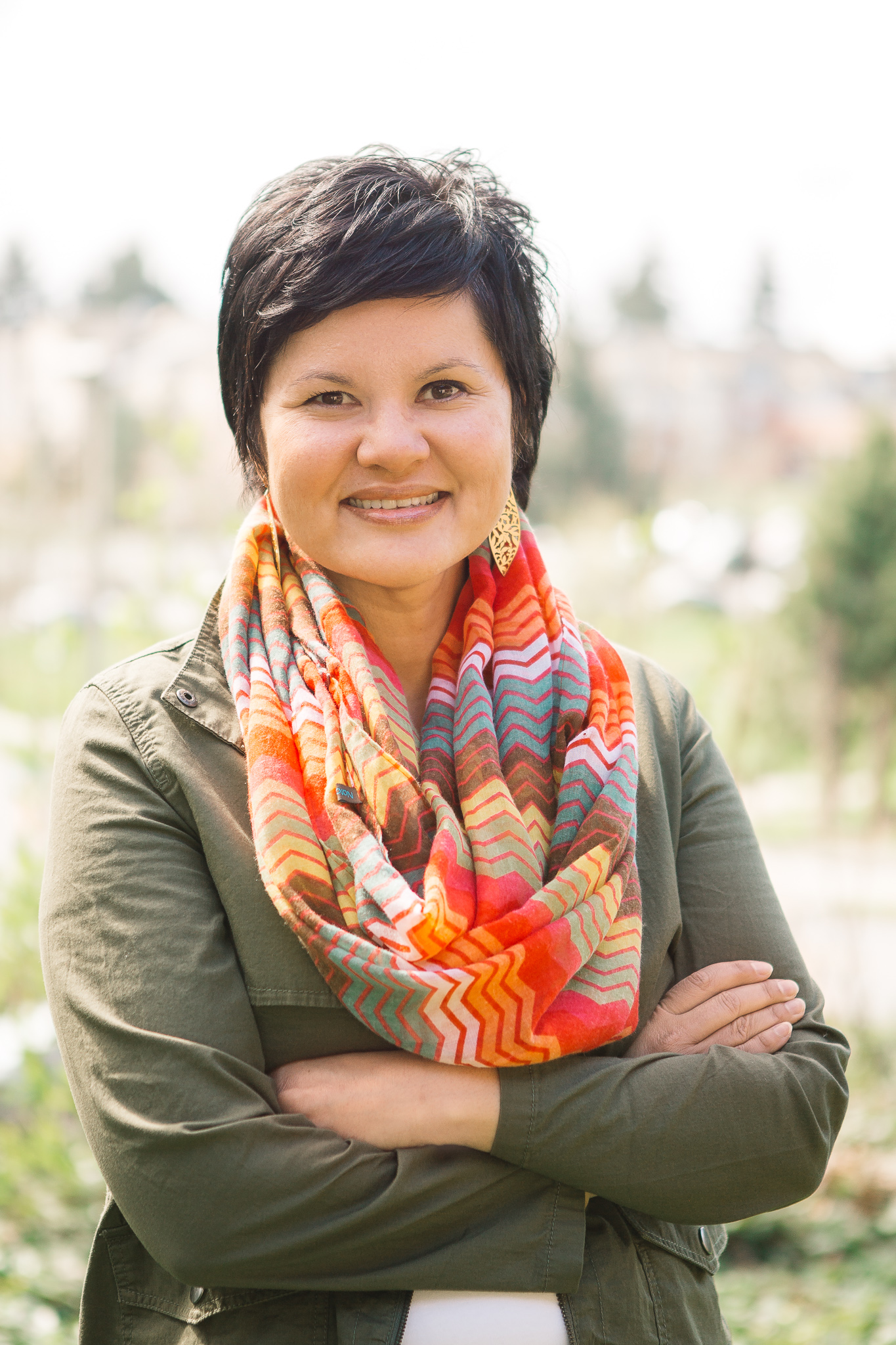
Eva Frey

Instructor photo

Throughout her tenure in education, Dr. Frey has enjoyed teaching and serving as an administrator in K-16 settings. She has a depth of experience in educational leadership, successful grant writing, and educational policy development and implementation. Dr. Frey is a national and regional presenter on student development, program design and assessment, and leadership in higher education.

Her areas of professional interest are: support and persistence of first-generation college students, leadership and social justice, and multicultural education. Her active scholarship is the impact of positive psychology on pedagogical design and the vocational development of a college student. She has been recognized regionally for her support and advocacy of LGBTQ issues and her work in student affairs.

Dr. Frey holds a Doctorate in Education from Seattle University, a Master of Education in Multicultural Education from the University of Washington, and a Bachelor of Arts in Education from Pacific Lutheran University. Dr. Frey's passion is being a leader/educator and working in partnership with others to become their best selves. 

This course is designed to provide educators with an in-depth understanding of how to foster the cognitive development of today’s children in PreK-2nd grades. From a focus on innovative tools and resources for teaching science, technology, engineering, arts, and math (STEAM) to incorporating a multi-sensory approach to learning early literacy skills – teachers will discover valuable research-based instructional and assessment practices designed to help all students maximize their learning potential in both virtual and in-person classrooms. This course also includes an emphasis on the roles healthy lifestyles, social and emotional learning (SEL), family engagement, and the great outdoors play in building strong cognitive foundations for student success in school and beyond.
This course is designed to enhance a participant’s knowledge of assessment and grading practices. Participants will review formative, interim, and summative assessment types, as well as the grading practices within them (traditional vs. standards-based grading), assessment design, implementation strategies, and how to interpret data results to define mastery. Participants will leave the course knowing how to identify course goals for assessments, effectively construct a variety of assessments based on content, understand how assessment can increase learning, use a variety of assessment mediums, and provide measurable data to students, parents, and other educators that demonstrate growth in learning.
This course provides participants with a deep understanding of the value and benefits involved with incorporating a comprehensive approach to school health and wellness. With an emphasis on physical health, physical activity, nutrition, mental health, and social/emotional learning, this course is designed to help educators implement wellness practices and policies to make schools healthier places where both students and staff thrive. Participants in this course will also focus on the value of partnerships with fellow educators, school leaders, families/caregivers, and community leaders to provide consistent messaging and meaningful learning experiences intended to build a foundation for lifelong health and wellness.